Best Guide to Cheapest Months to Travel to Japan
Why When Pays off on Your Pocket
Japan is a dream destination among many individuals. Nevertheless, it is notorious about being expensive. Thus you have to choose the appropriate time. A spring vacation is very expensive. On the contrary, it is cheaper to visit during a January. Time is your most valuable thing then. Thousands of dollars can be saved.
Crowds as well vary according to the season. Big crowds are normally related to high prices. The prices being so low, however, indicate fewer. Thus, you have a more enjoyable experience. You see the sights with ease. Plus, you save money for food. This guide demonstrates the most appropriate times. It assists you in planning the most inexpensive trip.
January is the Unconditioned Conqueror
The month of January is the most inexpensive month to travel to Japan. The major tourists depart after the New Year Day. Therefore, there are numerous vacant rooms in hotels. In turn, they reduce their prices. You can find great deals. Flights are also very cheap. Airlines would like their seats to be filled.
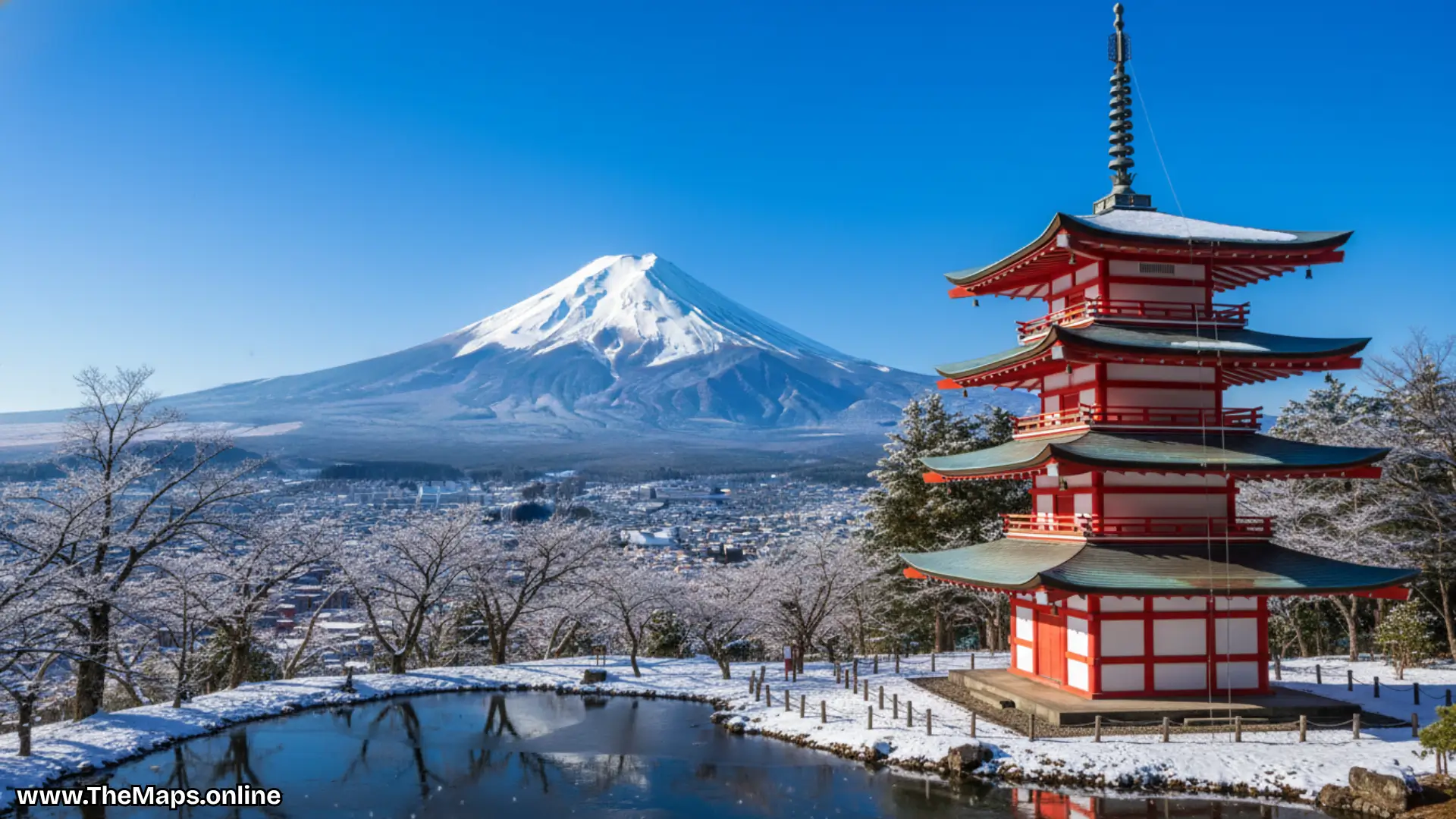
Also, the weather is cold. But, the air is crisp and clear. And you can view Fuji mountain vividly. Also, hot springs are excellent. The first three days should be avoided. This is during a national holiday. After that, prices drop fast. It is ideal among those with limited funds.
February is a Good Month to Have also
Another marvelous alternative is February. It is still winter. So, tourists remain few. Therefore, prices stay low. You can visit popular spots. For example, Kyoto is quiet. You would be able to capture photographs without the crowds.
Plum flowers also begin blooming. Their appearance resembles cherry blossoms. However, they make fewer people attracted. Thus, you get beauty at a cheaper price. Ski resorts are open too. Yet, city hotels remain cheap. You get a mix of activities. This month saves you cash.
Also Read: Best Affordable Family Travel Packages to Europe
June Brings Rain and Savings
The rainy season begins in June. Many travelers dislike rain. So, they stay home. Therefore, the demand decreases drastically. Hotels lower their rates. Airlines offer sales. This is a smart time to go.
Not every day it rains, however. You will see cloudy days. Also, the rain cools the air. The entire view is green and fertile. Everywhere the hydrangeas flower. They are beautiful flowers. So, you get nature and savings. Just bring an umbrella.
September is a Hidden Gem
September is a follow-up of the heaty summer. Families return to school. So, the crowds disappear. Thus, the expenses on traveling are reduced. It is still warm. But, it is not boiling hot. You are free to walk in a comfortable manner.
In addition, the season of typhoons is the most active in September. This scares some people. However, typhoons pass fast. Most days are fine. So, you take a small risk. You in turn receive low prices. Hotels want guests. Thus, they offer discounts.
Shun the Cherry Blossom Season
It is costly at the end of March and the beginning of April. Half of the world is interested in cherry blossoms. So, demand skyrockets. Hotels double their prices. Sometimes, they triple them. Flights also become very expensive.
Also, the crowds are massive. You cannot walk easily. Trains are full. Restaurants have long lines. Thus, you spend more to be less comfortable. This time to pass is to be avoided in case you wish to save money. So many other times you can see flowers. Your wallet will thank you.
Stay Away During Golden Week
Golden Week occurs in the end of April and May. It is a string of holidays. Japanese people travel then. So, domestic travel peaks. Trains are fully booked. Hotels get their highest charges.
Hence, you must avoid this week. It is the most bad budget season ever. You will not have an easy time finding rooms. Also, you will pay top dollar. Even the low-cost restaurants fill. Make this a week to plan your trip. Fraude; examine the dates prior to your booking.
Prices of flights vary with the season
A large portion of your budget is comprised of flight tickets. But, prices change often. The cheapest flights are those in winter. Summer flights cost more. Airlines track demand. Thus they increase the prices during the time people travel.
Price comparison tools should also be used. Look at the whole month. Spot the cheapest days. In most cases, flights during the week are best. Avoid weekends. Travelling on Tuesday is cheaper. Therefore, make sure that you keep your dates. This strategy works well.
Also Read: Top Budget-Friendly Travel Destinations in Asia 2025
Reserve Your Flights during Weekdays
The day you fly matters. Tuesday and Wednesday are usually the cheapest. Friday and Sunday are costly days. Mondays are the days when business travelers fly. Tourists fly on weekends. Thus, it is quiet during the midweek.
Thus you get unoccupied places. Airlines sell them for less. Also, book in advance. Three months ahead is good. Tickets which are bought at the last moment are expensive. So, plan early. Lock in your price. This ensures the most optimal price.
Costs of accommodation are reduced during winter
Hotels vary according to the season. In January, they need guests. So, they offer discounts. You can stay in nice places. The price will be low. But, in April, the price jumps.
You should also find business hotels. They are clean and simple. They are cheaper when compared to large resorts. Hostels are good too. Japan has very clean hostels. Some even have private rooms. So, you sleep well for less. Compare accommodation websites.
Business Hotels Spare You the Dollies
Business hotels are an excellent secret. They cater to salarymen. So, they are efficient. The rooms are small. But, they have everything. You receive a bed, a refrigerator and a shower.
In addition, they are close to train stations. This saves you on transport time. It is a good chain such as APA or Super Hotel. They are everywhere. Prices are very stable. They are decent even in the high seasons. That is why choose them instead of luxury hotels. You save money for fun.

Food is Cheap All Year Round
Japanese food is within everyone budget range. You do not have to have fancy restaurants. The convenience stores are selling great food. 7-Eleven and Lawson are famous. You can buy rice balls. They cost one dollar.
Also, try beef bowl shops. Matsuya and Yoshinoya are trendy. You get a full meal. It costs about five dollars. Ramen shops are also cheap. You order from a machine. The water is free. You eat like a king on a shoestring then.
Train Passes Save Big Cash
Transport can be pricey. But, passes help you save. The JR Pass is famous. Prices however had increased in the recent past. So, check regional passes. They cover specific areas.
One can consider an example of the Tokyo Wide Pass. It covers travel near Tokyo. There are day passes in the subways as well. You pay once. Then, you ride all day. This adds up to savings. Calculate your route first. Then, buy the right pass.
Buses are cheaper compared to Trains
Bullet trains are highly expensive and fast. The alternatives are highway buses. They take longer. But, they cost half the price. You can take a night bus. This saves a hotel night.
Also, buses are comfortable. They have reclining seats. There are those which have curtains to provide privacy. You wake up in a new city. Willer Express is a large organization. They have an English site. So, book a bus for long trips. It is the budget choice.
Free Things to Do
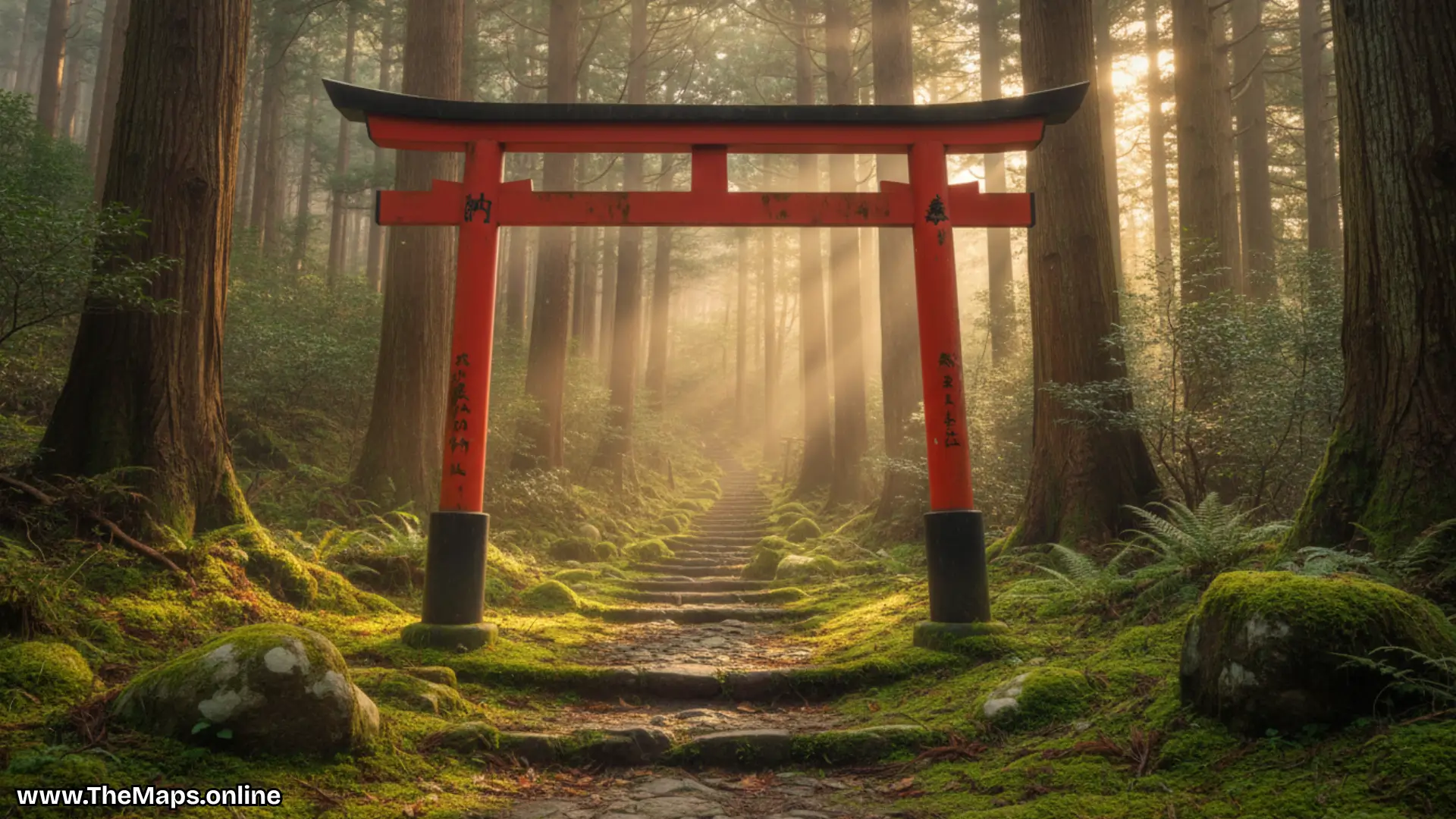
There are numerous free attractions in Japan. Shrines are usually free. You can walk the grounds. Parks are free too. You see nature and people. It costs nothing.
Besides, search observation decks. The Tokyo Metropolitan Government Building is a no-cost one. You see the whole city. You might see Mount Fuji. It is also fun to walk districts. Harajuku is excellent as a people watching destination. You enjoy the vibe. You spend zero yen.
Tax-Free Shopping Helps You
Tourists get a tax break. Japan has a consumption tax. It is 10 percent. But, visitors can skip it. You must show your passport. Look for “Tax-Free” signs.
You have to spend at least something as well. Usually, it is 5,000 yen. Shops seal your bag. You cannot open it in Japan. But, you save money. Buy souvenirs this way. Buy snacks too. It is an easy discount.
Weather during the Cheap Months
Inexpensive months are problematic weatherwise. January is cold. You need a coat. June is wet. You need an umbrella. September has wind. You need flexibility.
Nevertheless, it is worth the savings. You buy warm clothes. You carry rain gear. You check the forecast. In-door games are also entertaining. Museums are great in rain. Hot springs are great in snow. So, adapt to the weather. Enjoy the low prices.
Cost Comparison Table
This table shows the average cost levels for a traveler.
| Month | Flight Cost | Hotel Cost | Crowds | Weather |
| January | Lowest | Lowest | Very Low | Cold/Clear |
| February | Low | Low | Low | Cold/Snow |
| March | High | High | High | Cool |
| April | Highest | Highest | Massive | Mild |
| May | High | High | High | Warm |
| June | Low | Low | Medium | Rainy |
| September | Low | Medium | Low | Warm/Typhoons |
| November | Medium | High | High | Cool/Crisp |
Conclusion
A trip to Japan does not have to be bank breaking. It is just a matter of selecting the appropriate month. The most favourable prices are in January and February. September is cheap as well as June. You avoid the crowds. You get better service.
Add to this, also, shrewd decisions. Eat at convenience stores. Stay in business hotels. Use the bus. Plan your dates carefully. Avoid Golden Week. Then, you will have a wonderful tour. You experience the culture. And, you keep your money.
Frequently Asked Questions
What is the absolute cheapest month to fly to Japan?
January is usually the cheapest month. Demand is very low after the holidays. Airlines drop prices to attract people. You can find tickets for half the price of April. Also, February is very cheap. Avoid the end of December. That is expensive. But, the rest of winter is a bargain. You should check prices on Tuesdays. That is when deals appear.
Is it worth visiting Japan during the rainy season?
Yes, it is worth it. The rain does not fall all day. Often, it rains for a few hours. Then, it stops. The crowds are much smaller. So, you see temples in peace. The scenery is very green and pretty. Also, hotels are cheap. You get better rooms for less. Just bring good waterproof shoes. You will save a lot of money.
Do I need a JR Pass for a budget trip?
You might not need one. The price increased recently. It is expensive now. If you stay in one region, skip it. Buy a regional pass instead. Or, take the highway bus. It is much cheaper. Calculate your train costs first. Use a calculator online. Sometimes, single tickets are better. Only buy the full pass for many long trips.
How much money do I need per day for a budget trip?
You can travel on 10,000 yen per day. This is about 70 USD. This covers a hostel bed. It covers cheap food. It covers local transport. It also covers some entry fees. You must be careful. Do not eat at fancy places. Walk when you can. But, it is possible. Many students do this. You will still have fun.
What dates should I absolutely avoid?
Avoid Golden Week in late April and early May. Avoid New Year’s from December 29 to January 3. Avoid Obon in mid-August. These are Japanese holidays. Everyone travels. Prices are triple. Trains are full. You will be stressed. Also, avoid late March for cherry blossoms. It is too expensive. Pick the weeks between these times. You will save money.